Presenting my first research paper at NordiCHI 2026
Between the 5th and 7th of October, I had the privilege to attend NordiCHI 2026 in Vaasa, Finland, to present my Master's research paper titled “LumiJo: Enhancing Self-reflection with LLM-Generated ‘Words of Wisdom’”. The research paper will appear in the proceedings of NordiCHI ’26, the 14th Nordic Conference on Human-Computer Interaction.
Now that the conference is officially finished, I've taken a moment to reflect on how amazing it is to get together with researchers from around the world and even close to home (shout-out to Eleni from the UofG), and how they can motivate us to always improve ourselves. Although rarely talked about out loud, and in hindsight might even be contradictory since I just got a research paper accepted, research can sometimes feel lonely, frustrating, and even like a failure. But it is during these moments at conferences, and even while talking with my colleagues from the research lab, that we find the motivation to continue pursuing what we believe in.
In a happier and more cheerful tone, even though I wasn't able to watch all the presentations due to conflicting session timetables (it's 2026 and we still don't have recorded presentations 😥), it was amazing to see such important research being presented. One of the presentations that really stuck with me was by Daniel Snow et al., "The Data Donor Card: Exploring Data Donation After Death Through Strategic Mundaneness", which explored what actually happens to our data after we die, and how perhaps, similar to an organ donor card, we should have a data donor card, through which our data, such as medical records, could be donated for research.
All three keynote speakers gave such powerful and inspiring talks. However, the one that really stuck with me and kept me rethinking my everyday use of AI tools throughout the whole train journey to Helsinki was by Senior Designer Dr. Pontus Wärnestål, titled "AI, Responsibility, and Better Decisions in an Age of Hype". He talked about how some service tools (e.g., OpenAI, Anthropic, Microsoft) are capable of reorganizing our society around their own specific requirements, and how some of these tools are actually amputating some of our capabilities rather than supporting and extending them. When self-reflecting on how I actually use them, I can see that I have sometimes been overreliant on these tools for such mundane things, and that the reliance is increasing and taking over my own critical thinking little by little. It's still unclear what the immediate changes will be, but they are certainly coming.
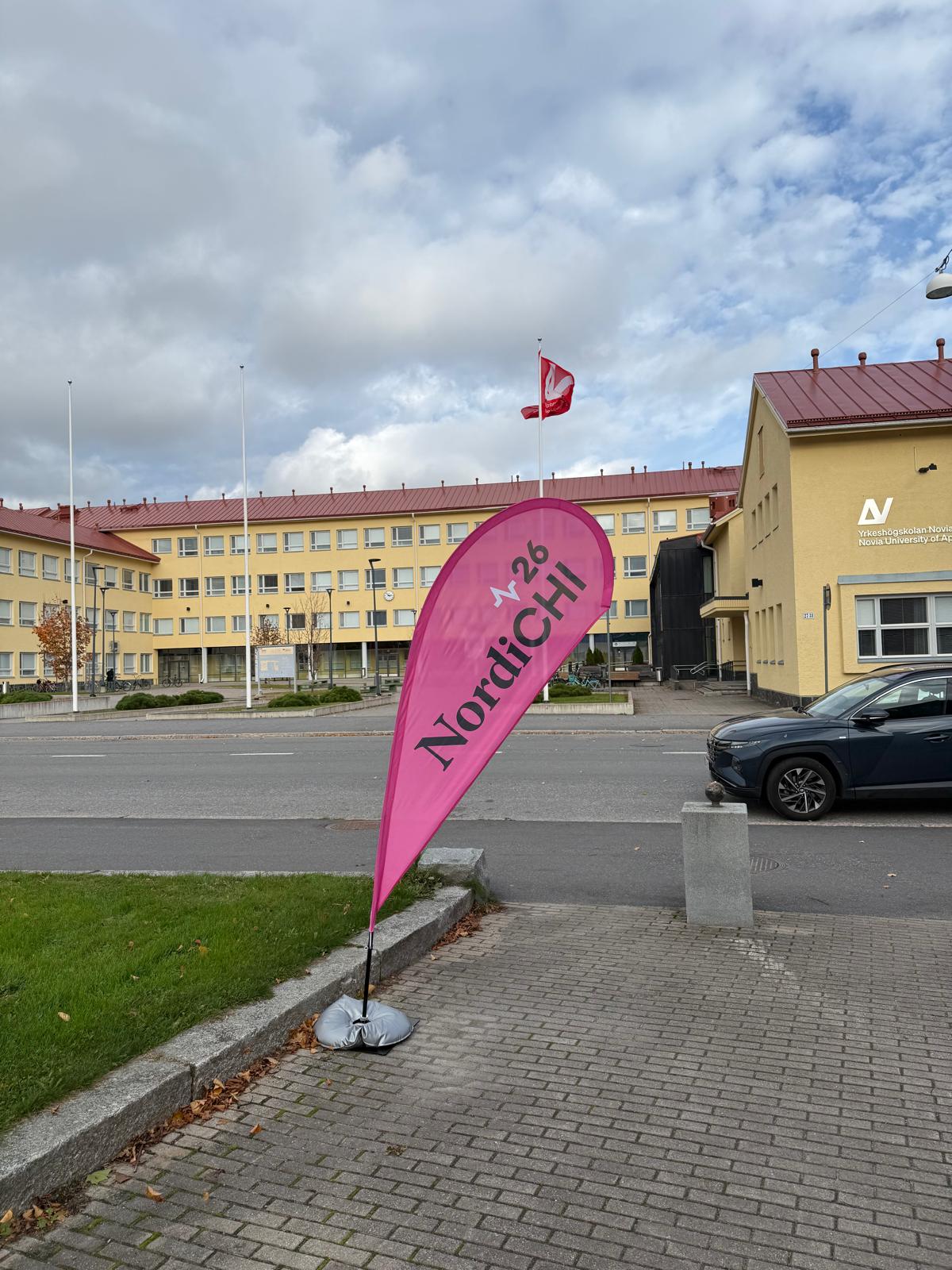
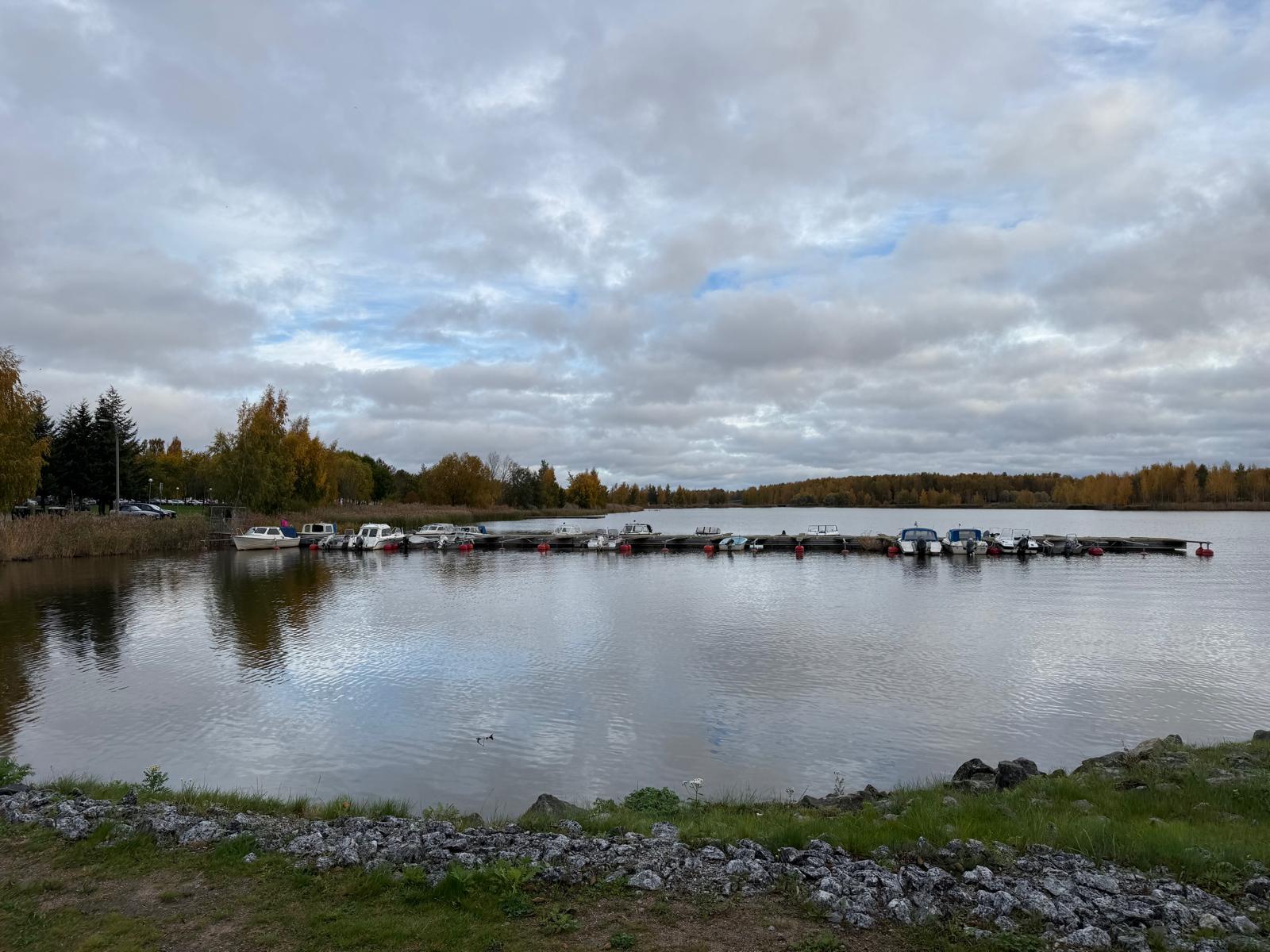
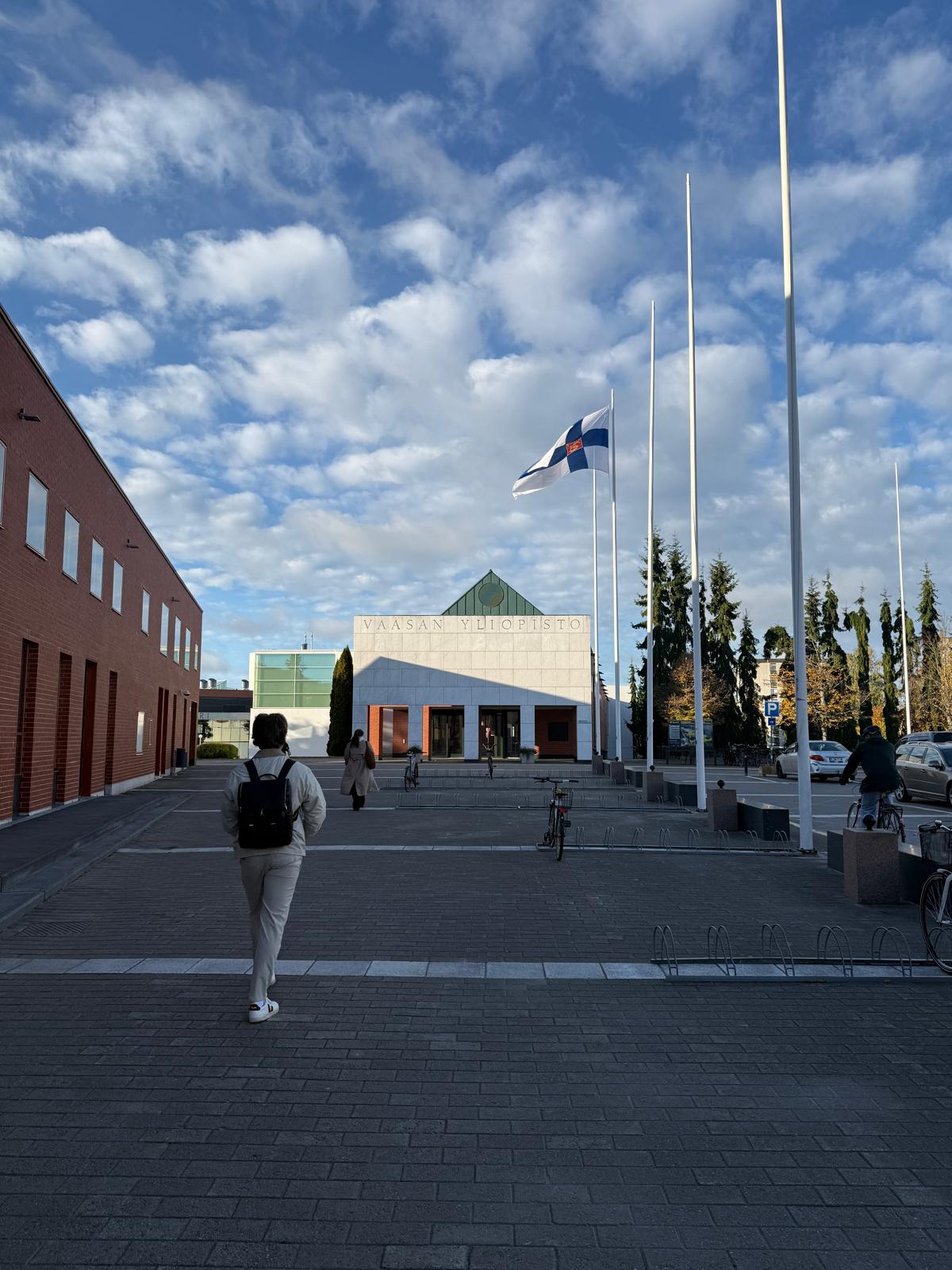
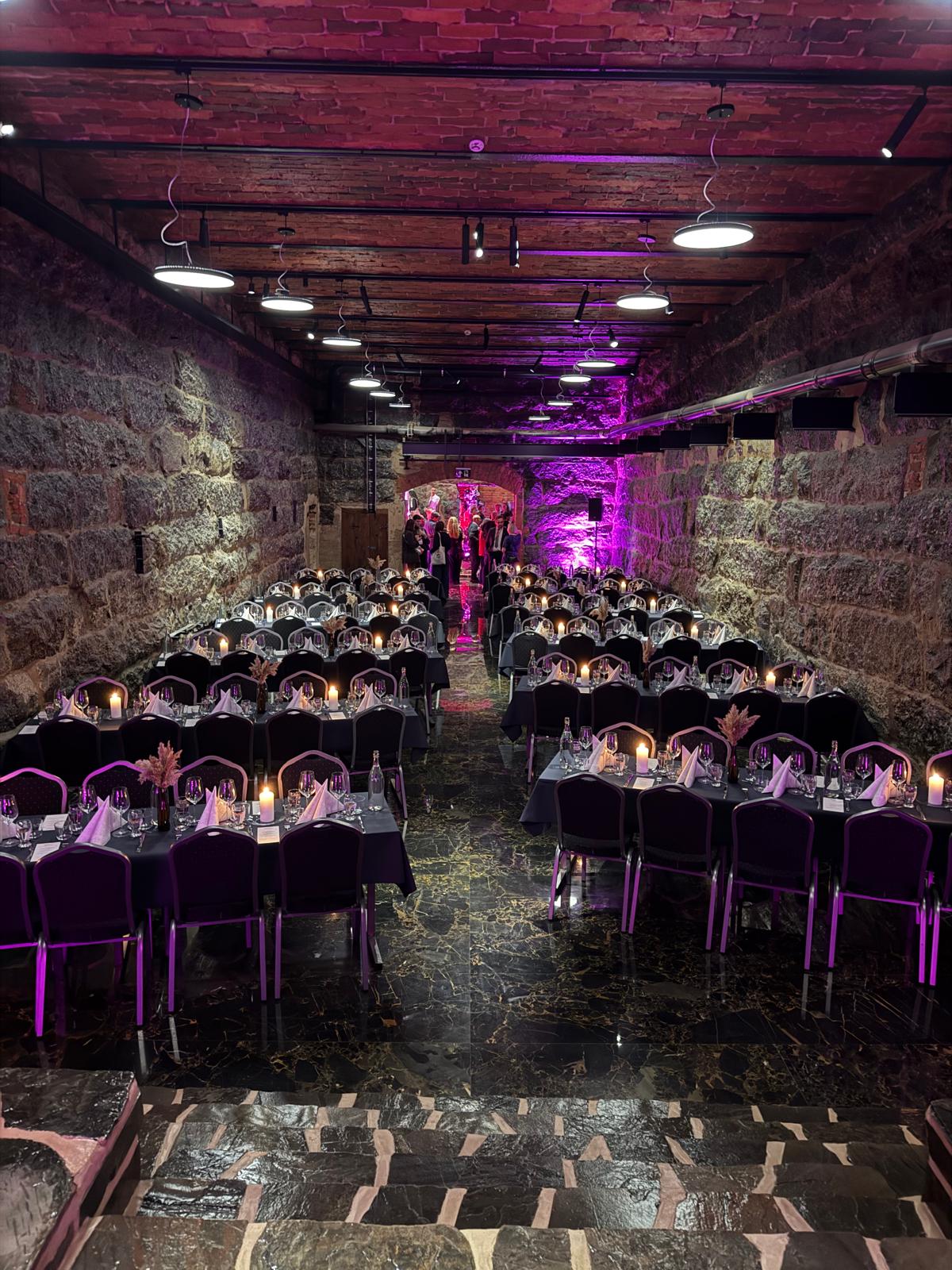
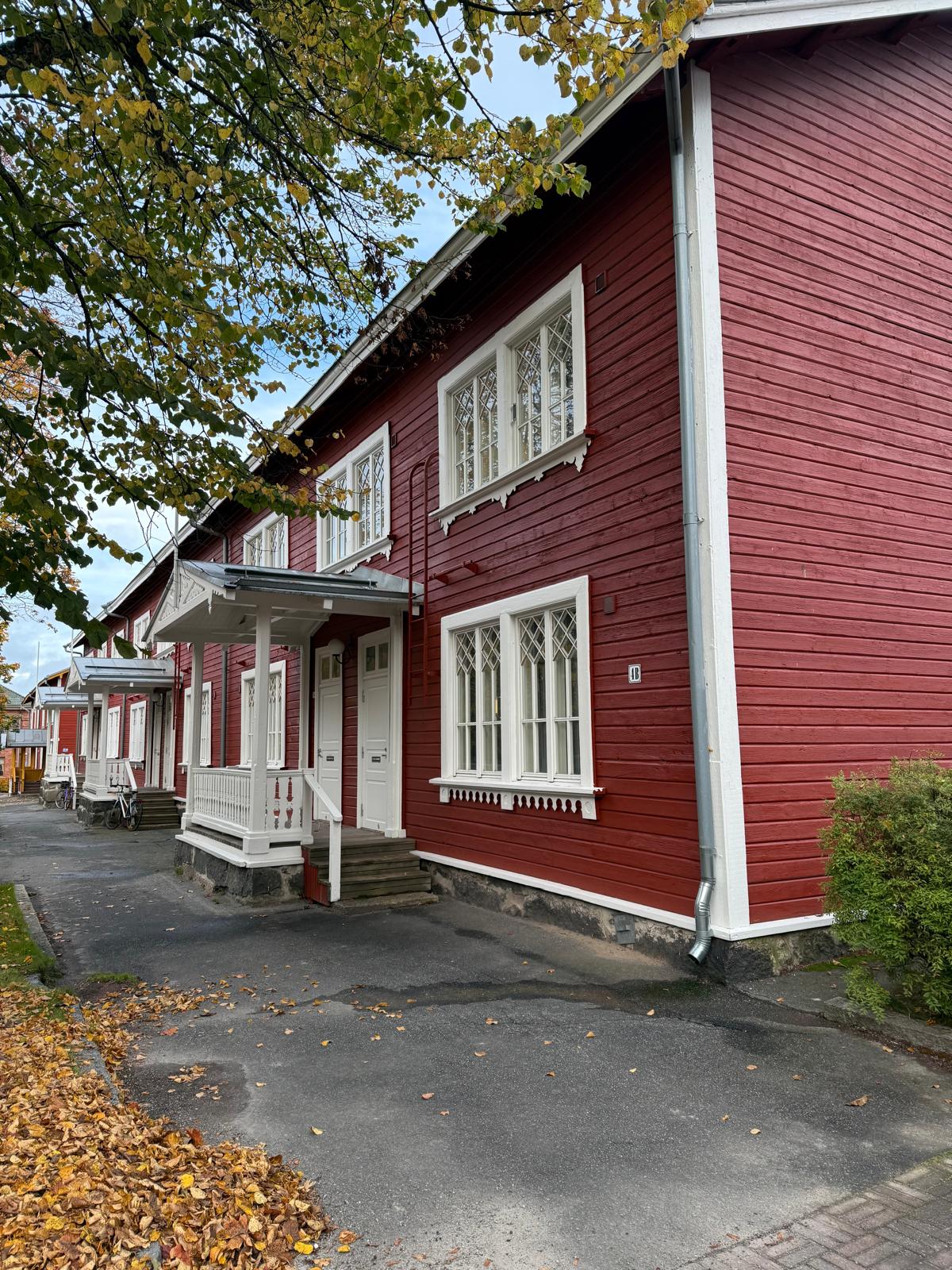
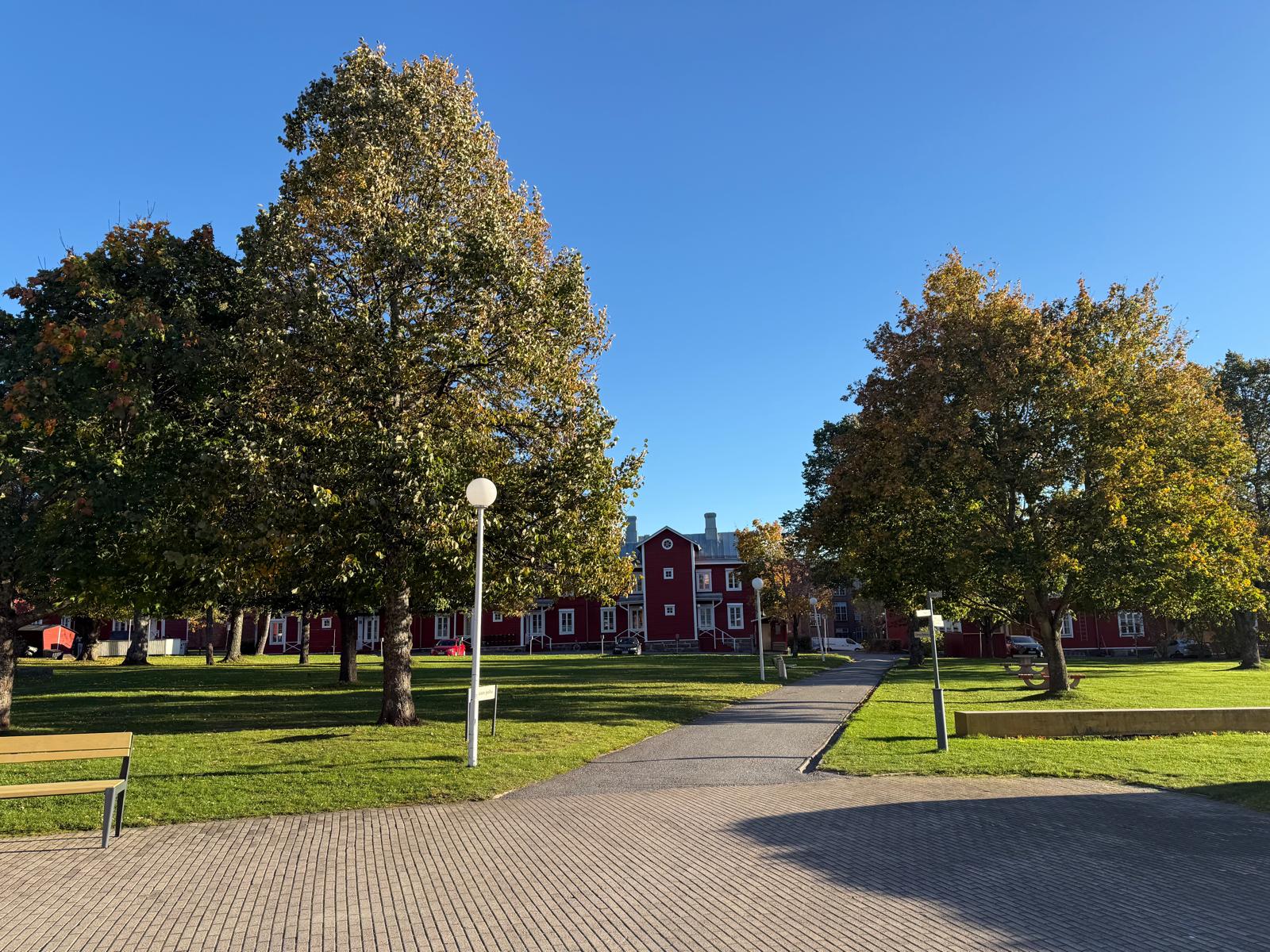
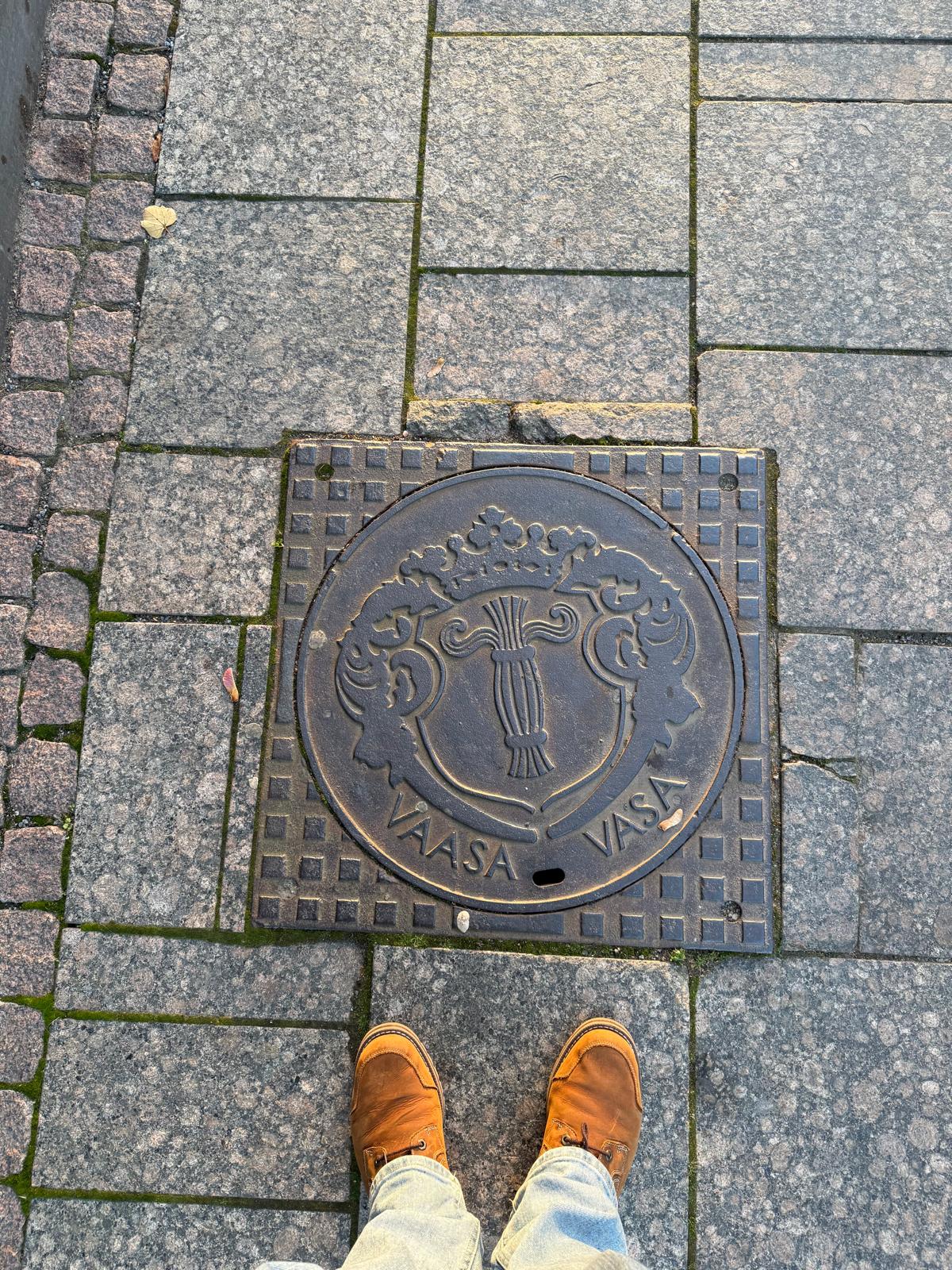
Unrelated to the conference, Finland was indeed breathtaking. From the safety of walking around the city centre at 2am (my own fault), to the abundance of plants, trees, and lakes all over the country, and the politeness of everyone I had the privilege to talk to, Finland and NordiCHI have definitely left a positive mark on my research journey. I am definitely not camera-savvy, but I couldn't not take pictures of the conference and the beautiful scenery.
NordiCHI ’26 in pictures
Slide 1 of 8